
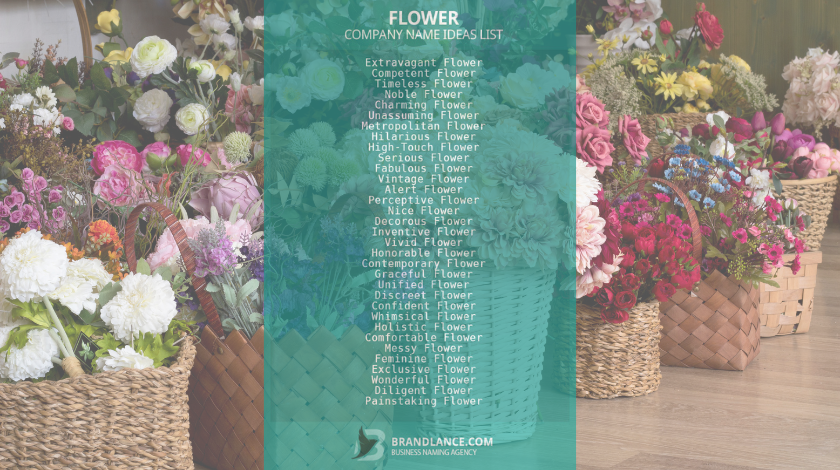
When I first started helping my sister open her flower shop back in 2019, we spent three weeks arguing about the name. She wanted something French and fancy like Fleur de Lys, while I kept pushing for something simple like The Neighborhood Florist. Looking back, neither of us was completely wrong, but we both missed the bigger picture. Your floral store name is not just a label you slap on a storefront; it is the foundation of every marketing decision you will make for the next decade. It is what customers whisper when recommending you to friends, what they type into Google when they need flowers fast, and what defines whether you are remembered or forgotten.
Choosing floral store names might feel overwhelming because there are literally thousands of directions you could go. Do you want to sound luxurious and high-end? Playful and approachable? Modern and Instagram-worthy? The truth is, there is no single right answer, but there are definitely wrong ones. I have seen too many talented florists struggle because they picked names that were impossible to spell, too generic to rank on Google, or so narrow that they could not expand their services later.
In this guide, I will walk you through everything I have learned from working with dozens of flower businesses, from tiny home-based operations to full-service wedding florists. We will explore creative naming categories, practical selection strategies, and SEO secrets to help you show up when local customers search for flowers. By the end, you will have a clear roadmap for choosing a name that not only sounds beautiful but actually helps your business grow.
Why Your Flower Shop Name Is Your Most Important Business Decision
Let me tell you about Sarah, a talented florist I met at an industry conference in Portland. She had exquisite taste, years of experience, and a portfolio that would make any bride weep with joy. But her business was struggling. Her shop was called Botanical Expressions, which sounded professional enough, but the problem was that nobody could remember it. Customers would call her saying, I found you online, something about plants and emotions? Her name was so generic that it blended into the background of every other flower shop in town.
Compare that to another florist I know who named her shop Thorn & Thistle. It is memorable, it hints at the floral industry without being obvious, and it tells a story. She told me that at least once a week, a new customer walks in and says, I just had to know what kind of business had a name like that. That is the power of a great name. It creates curiosity, starts conversations, and sticks in people’s minds long after they have walked past your window.
Your name also sets expectations before a customer ever sees your work. When someone hears Petal Palace, they imagine something different than when they hear Urban Stem Lab. The first suggests traditional, perhaps even formal arrangements. The second promises something edgy, modern, and experimental. Neither is better than the other, but they attract completely different customers. Getting clear on who you want to serve is the first step in choosing a name that resonates with the right people.
From an SEO perspective, your name matters more than ever in 2024. When someone searches for a ” wedding florist near me or same-day flower delivery, Google considers business names among many signals to determine relevance. If your name includes words like florist, blooms, or petals, you have a slight advantage in local search results. However, do not force keywords if they make your name sound clunky. A memorable brand name will earn more word-of-mouth referrals than a keyword-stuffed name ever will.
Exploring the World of Floral Store Names: Categories and Examples
After reviewing hundreds of successful flower shops and analyzing what makes their names work, I have identified several distinct categories. Each appeals to different audiences and business models. As you read through these, pay attention to which ones make you feel something. That emotional reaction is often your intuition telling you what direction fits your brand personality.
Cute and Whimsical Names That Feel Like a Hug
There is something irresistible about a flower shop name that makes you smile. These names work beautifully for businesses targeting everyday customers, families, and people buying flowers for happy occasions like birthdays and baby showers. They suggest approachability, warmth, and a touch of playfulness.
Think about Bunny Blooms or Honey Blossom. These names do not take themselves too seriously. They invite you in for a chat and a cup of tea while you pick out daisies for your kitchen table. My friend runs a shop called Daisy Dreams in a small Midwestern town, and she swears half her customers come in just because the name makes them feel nostalgic for childhood summers.
Other winners in this category include Petals & Posies, which uses alliteration to create a rhythmic, memorable sound. Sunshine & Stems evokes bright, cheerful imagery that promises to lift anyone’s mood. The Flower Patch sounds homey and unpretentious, like a secret garden you have stumbled upon. These names work especially well if your shop has a physical location with a cozy, inviting atmosphere. They tell customers, Come as you are, leave with something beautiful.
However, be careful not to go too cute if you plan to serve high-end corporate clients or luxury weddings. A name like Fairy Petals might limit your ability to charge premium prices or be taken seriously by event planners looking for sophisticated partners.
Modern and Trendy Names for the Instagram Generation
If your target customer is twenty-five to thirty-five years old, lives in a city, and discovers new businesses through Instagram, you need a name that photographs well and sounds contemporary. Modern floral store names often drop obvious flower references in favor of abstract concepts, minimalist language, or clever wordplay.
Urban Bloom immediately signals city sophistication. The Bloom Lab encourages experimentation and artistic innovation, making it perfect for a florist who creates avant-garde installations. Petal & Pixel brilliantly bridges the gap between natural beauty and digital culture, which is ideal if you sell heavily online or through social media.
I recently visited a shop called Stem & Petal in Brooklyn, and the name perfectly captured their aesthetic: clean, simple, and architectural. They arrange flowers like they are sculpting modern art, and their name tells you exactly what to expect before you even see their work. Another favorite is Bloom Society, which creates a sense of community and exclusivity around the brand.
These names often work best for businesses with sleek, minimalist branding and a strong online presence. They might confuse older customers who prefer traditional florists, but that is okay if your strategy focuses on younger demographics willing to pay premium prices for trendy designs.
Elegant and Luxury Names for High-End Markets
When you are selling two-hundred-dollar arrangements to hotel lobbies, corporate offices, and luxury weddings, your name needs to whisper sophistication. These floral store names often use French or Italian words, reference precious materials, or evoke timeless beauty.
Fleur de Luxe immediately positions you at the high end of the market. French words carry an automatic association with fashion and refinement. The Velvet Petal suggests richness and tactile luxury. Opal & Rose combines a precious gemstone with a classic flower, implying both value and delicacy.
My mentor in the floral industry named her business Elysian Petals after the Elysian Fields of Greek mythology, where heroes went to rest. It is poetic, elevated, and tells a story that justifies her premium pricing. She books weddings with budgets exceeding $50,000, and her name is the first filter that attracts the right clients while gently discouraging bargain hunters.
The risk with luxury names is that they come across as unapproachable or pretentious. If you are in a small town or serve a mixed clientele, you might alienate everyday customers who assume you are too expensive. Consider whether you want to be exclusively high-end or maintain a broader appeal before choosing this route.
Location-Based Names That Dominate Local SEO
Here is where my initial argument with my sister actually had some merit. Including your city, neighborhood, or region in your business name can be a powerful SEO strategy, especially if you rely on local foot traffic and same-day delivery customers.
Magnolia Blooms NYC or The Rose Garden Austin tells customers exactly where they are before they even visit your website. When someone searches for “a florist in Austin” or “NYC flower delivery,” these names send strong relevance signals to Google. They also build immediate trust with locals who want to support neighborhood businesses.
However, location-based names can limit you if you plan to expand into multiple cities or sell online nationwide. Denver Daisies works great until you open a second location in Boulder. If you choose this route, make sure you are committed to being a local institution rather than a scalable brand.
One compromise is using regional references that evoke a feeling without being too specific. Coastal Petals works for any beach town, and Mountain Bloom fits most mountain communities. These give you flexibility while maintaining local flavor.
The Step-by-Step Process for Choosing Your Perfect Name
After years of helping entrepreneurs name their businesses, I have developed a practical framework that takes the guesswork out of the process. Grab a notebook and work through these steps over the course of a week, not an afternoon. Great names need time to marinate.
Step One: Define Your Brand Personality
Before brainstorming a single word, write down three adjectives that describe how you want customers to feel when they interact with your brand. Do you want them to feel elegant, innovative, and exclusive? Or warm, playful, and approachable? It could be rustic, authentic, and grounded. These adjectives become your filter. Any name that does not evoke these feelings gets eliminated.
Step Two: Brainstorm Without Judgment
Set a timer for thirty minutes and write down every word associated with flowers, nature, emotions, and your brand personality. Do not censor yourself. Include flowers you love (peony, jasmine, wildflower), actions (bloom, flourish, grow), and abstract concepts (joy, memory, celebration). The goal is quantity, not quality.
Step Three: Mix and Match
Start combining words from your list. Try noun-and-noun combinations (Petal & Stem), adjective-noun pairings (Wildflower Works), and abstract concepts (Bloom Theory). Say them out loud. If you stumble over the pronunciation or have to spell it out repeatedly, cross it off.
Step Four: Check Availability Immediately
This is where dreams meet reality. Your perfect name is useless if someone else already owns the domain or trademark. Check GoDaddy or Namecheap for domain availability. Search the USPTO trademark database. Look on Instagram and Facebook to see if the handle is taken. I recommend keeping a list of 10 favorites, since your first three choices are unavailable.
Step Five: Test With Real People
Once you have three viable options, ask for feedback from people who match your target customer profile, not just friends and family. Pay attention to their first reactions. Do they smile? Do they ask questions? Or do they look confused? One florist I know almost named her shop Floral Alchemy, but a potential customer said it sounded like a chemistry lab, not a flower shop. She switched to The Bloom Studio and never looked back.
SEO Secrets for Floral Business Names
Let me share something that took me years to learn: Google is smart enough to understand context, but it still needs clear signals. You do not need to name your business Best Flower Shop in Chicago to rank well, but you should understand how search engines interpret business names.
Including a primary keyword like florist, flowers, or blooms in your name gives you a slight advantage, especially for local searches. When someone types “wedding florist near me,” Google scans business names, reviews, website content, and location data to decide what to show. A business called Bella Blooms Wedding Florist has clearer relevance signals than one called Bella Creations.
However, keyword stuffing does more harm than good. The name “Chicago Cheap Flower Delivery Florist” sounds spammy and untrustworthy. It might help you rank temporarily, but it will not convince anyone to buy. Balance is key. Bloom & Wild ranks beautifully without being obvious because they built strong brand recognition and optimized their website content effectively.
Another SEO consideration is spelling uniqueness. I love creative spellings like FloraVibe or Petalz, but they make it harder for customers to find you if they hear your name spoken and later try to look it up. If you choose a unique spelling, buy the common spelling variations of your domain and redirect them to your main site.
Finally, think about voice search. More people are asking Siri and Alexa for recommendations using natural language. A name like The Flower Shop on Main Street matches how people actually speak, while Floral Artistry by Design does not flow as naturally in conversation.
Real Stories: Florists Who Got It Right
Sometimes the best way to learn is by example. Let me share three stories of florists who chose names that perfectly aligned with their business goals.
Maria and Wild Roots Florist
Maria started her business in a converted garage in Portland, focusing on sustainable, locally-sourced arrangements. She chose Wild Roots to emphasize her commitment to natural, untamed beauty and local sourcing. The name immediately attracted eco-conscious customers and set her apart from traditional shops. Five years later, she has a thriving storefront and a waitlist for her subscription service. Her name tells a story that resonates with her values and those of her customers.
James and The Stem Lab
James wanted to appeal to corporate clients and modern couples planning urban weddings. He chose The Stem Lab to position himself as an innovator and artist rather than just a florist. His branding is sleek and scientific, with arrangements that look like botanical experiments. The name permits him to charge premium prices for his avant-garde designs. He told me that at least once a month, a client says they chose him because the name suggested he would be different from every other wedding florist they interviewed.
The Chen Family and Forever Blooms
The Chens run a multi-generational flower shop in San Francisco’s Chinatown. When they rebranded five years ago, they chose Forever Blooms to honor their grandmother’s belief that flowers represent eternal love and memory. The name works across cultures, appeals to both traditional and modern customers, and photographs beautifully on their storefront. It is simple enough to remember but emotional enough to matter. Their revenue increased by forty percent in the first year after the rebrand, partly because the new name helped them attract younger customers while retaining their loyal base.
Mistakes That Will Cost You Money
I have made naming mistakes myself, and I have watched others make expensive errors. Learn from our pain so you do not repeat it.
Being Too Trendy
In 2015, everyone wanted to name their business with an ampersand and a made-up word. Bloom & Wild worked because they were first and executed perfectly. Petal & Posh or Stem & Story feel derivative now. Trends fade, but your name needs to last. Ask yourself if the name will still feel fresh in ten years.
Ignoring Pronunciation
If you have to correct people every time they say your business name, you have a problem. I once considered naming a consulting business Floraissance (a play on flora and the Renaissance), but realized after saying it aloud a few times that it was a tongue twister. Simple is almost always better.
Forgetting to Check Trademarks
A florist in Texas named her shop The Bouqs Co. without realizing there was already a major national company with a similar name. She received a cease-and-desist letter six months after opening, forcing a costly rebrand. Spend the two hundred dollars to have a lawyer run a trademark search before you invest in signage and branding.
Choosing Names That Limit Growth
Roses Only is a great name until you want to start selling tulips and orchids. Wedding Blooms by Sarah boxes you into weddings forever. Choose names that give you room to expand your services, locations, or product lines without becoming irrelevant.
Conclusion: Your Name Is Just the Beginning
Choosing floral store names is both an art and a strategy. The perfect name captures your personality, appeals to your ideal customers, and helps you show up in search results. It is memorable, easy to spell, and flexible enough to grow with your business. But here is the truth: a great name will not save a bad business, and a mediocre name will not doom a great one.
What matters most is the experience you create for your customers. The name gets them in the door, but your flowers, your service, and your story keep them coming back. Do not let perfectionism paralyze you. Choose a name that feels right, check the legal boxes, and then pour your energy into building a business worthy of that name.
My sister eventually compromised on Petite Fleur for her shop, small enough to feel personal, French enough to feel special, and flexible enough to grow. Three years later, she has a loyal customer base and a thriving online presence. Your perfect name is out there. Trust the process, trust your instincts, and let your business bloom.
Frequently Asked Questions
How important is it to include “florist” or “flowers” in my business name?
It helps with SEO, but it is not mandatory. If you choose a creative name like Stem & Vine, make sure your website and Google Business Profile clearly state that you are a florist. The context matters more than the exact words in your name.
Should I use my own name in my flower shop?
Using your personal name, like Sarah’s Florals, works well if you are the brand and plan to be the face of the business forever. However, it makes selling the business harder later and can feel less professional if you want to grow beyond a solo operation.
How do I know if my flower shop name is too similar to a competitor’s?
Do a thorough Google search in your city and the surrounding areas. If another florist has a name that could confuse customers, choose something else. Also check Instagram and Facebook, as many florists operate primarily through social media rather than traditional websites.
Can I change my flower shop name later?
Yes, but it is expensive and risky. You will lose brand recognition, SEO rankings, and customer familiarity. It is better to spend extra time choosing the right name initially than to rebrand later. If you must rebrand, do it completely rather than gradually to avoid confusion.
Can I use a name generator to find a name for my flower shop?
Name generators are great for inspiration and getting unstuck when you are brainstorming. However, do not choose a name directly from a generator without checking availability and making sure it truly fits your brand. The best names come from your own story and vision, not an algorithm.
What if the .com domain is taken, but the name is perfect?
Consider alternatives like .co, .florist, or adding a word like shop or studio to the domain. However, if another florist owns the .com, choose a different name to avoid confusion. If it is owned by an unrelated business in another industry, you should consult a trademark attorney first.